
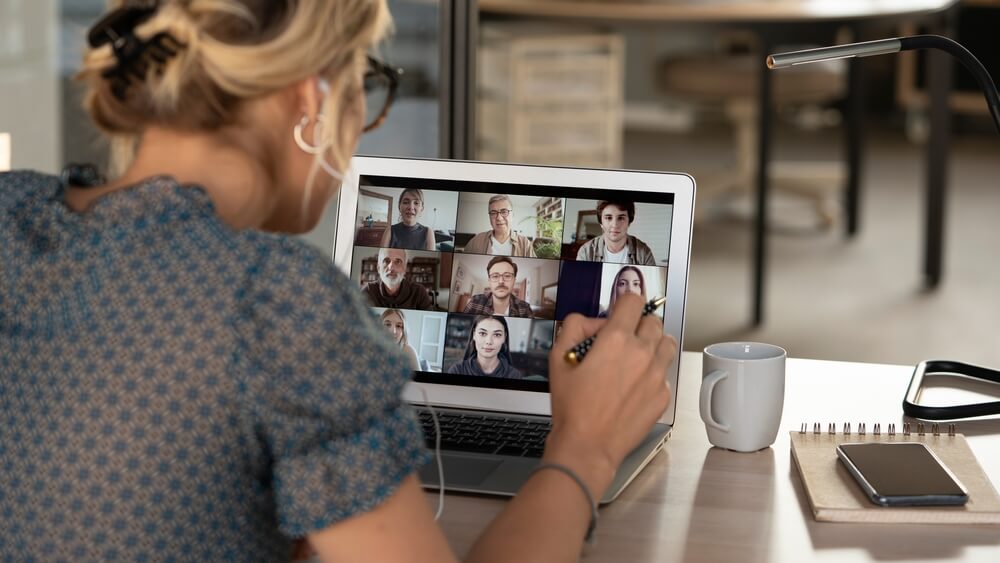
Today, the law goes far beyond big offices in cities like New York or London. Global law firms, multinational companies, and international NGOs now depend on remote paralegals to keep their operations running well.
With digital tools and globalization, legal work can cross borders without anyone needing to travel. This shift is opening up great opportunities for both U.S.-trained and international paralegals.
This article explains global paralegal roles, the skills you need, how international treaties matter, and how you can succeed working from anywhere.
Related:
- Top 10 Online Certifications and Programs for Legal Assistants
- Top Affordable ABA Accredited Online Paralegal Programs
- Best Free Online Paralegal Courses
- Paralegal Education for Veterans: Military Experience, Transfer Credits & GI Bill
Why Global Paralegal Work Is Growing in 2026
The Rise of Remote Legal Support Worldwide
According to a Statista report, the adoption of remote work in the legal industry has increased by about 60% since 2020. International law firms are outsourcing more research, document review, and administrative work. This allows lawyers to focus on strategy while paralegals take care of important tasks.
International paralegal jobs are also taking on more complex work, such as:
- cross-border compliance
- arbitration support
- international transactions
Digital Tools Enabling Work-From-Anywhere Paralegal Roles
Cloud-based case management tools help paralegals work from anywhere. For example:
- Secure document-sharing platforms keep files safe.
- AI research tools like Lexis+, Westlaw Edge, or Harvey AI make research faster.
Work stays accessible to the whole team.
What Global Paralegals Do: Core Responsibilities Across Borders
Global paralegal roles go beyond just organizing files. They help international teams understand and work through complex legal systems, treaties, and contracts.
International Legal Research & Treaty Analysis
A global paralegal often researches the details of treaties and international law. They may look into the following:
- WTO rules
- UN treaties
- Agreements between countries
This helps firms understand:
- Trade laws
- Human rights
- Cybersecurity
- Environmental rules
Supporting Cross-Border Transactions
Whether it’s mergers and acquisitions or international contracts, global paralegals play a key role. Cross-border legal assistant careers involve the following:
- Reviewing due diligence documents
- Ensuring personal data is handled correctly across countries
- Helping clients comply with privacy laws , such as:
- GDPR
- APPI
- LGPD
Multinational Litigation & Arbitration Support
Multilingual paralegal careers help with international arbitration, working with groups like:
- ICC
- ICSID
- UNCITRAL
They prepare case files, write summaries, and organize documents for teams in different countries.
Managing Documents Across Jurisdictions
Managing documents can be challenging when laws vary by country. Paralegals take care of notarization, apostilles, certified translations, and filing rules to make sure everything is legally correct.
Skills Needed for Remote International Paralegal Careers
International law paralegal skills require:
- Language skills
- Legal knowledge
- Comfort with technology
- Understanding of different cultures
Multilingual Communication Skills
Languages are key. Spanish, French, Mandarin, Arabic, and Portuguese are often in demand. Bilingual skills help with:
- legal translation
- reviewing contracts
- communicating with international clients
Expertise in International Legal Systems
It is important to know how common law, civil law, and mixed legal systems work. Global paralegal roles involved understanding the basics of interpreting treaties and global privacy rules.
Digital Literacy for Global Practice
Digital literacy tools such as e-discovery platforms, AI research helpers, and virtual deposition systems are used every day. Paralegals need to be comfortable with technology to work well from anywhere.
Cultural Competence & Global Professional Etiquette
Global Cultural awareness is important for global teams. Knowing how people communicate, legal customs, and professional manners in different countries helps avoid mistakes and makes teamwork easier.
Types of Employers Hiring Global Remote Paralegals
There are many different types of remote paralegal work worldwide that are available.
International Law Firms
Large law firms hire paralegals to work in areas like:
- Trade
- Antitrust
- Maritime law
- Intellectual property
- Human rights
These jobs often include complex work that crosses national borders.
Multinational Corporations (MNCs)
Multinational companies hire paralegals mainly for compliance work. Key areas include:
- Anti-bribery
- ESG reporting
- Following global privacy rules
NGOs, Human Rights Organizations & Treaty Bodies
Paralegals help UN agencies, international justice groups, and climate or environmental organizations. These jobs often involve:
- research
- writing reports
- making sure treaties are followed
Legal Process Outsourcing (LPO) Firms
Companies such as Infosys, LegalBase, and Integreon act as centers for offshore paralegals. They manage tasks like legal research and document review, helping global law teams grow quickly.
Education Paths & Global Credentials That Boost Employability
Paralegal Certificates & Degrees
ABA-approved programs remain highly respected, especially for U.S.-trained paralegals. Examples include:
- Associate or certificate programs from community colleges and universities approved by the American Bar Association (ABA)
- Universities with distance-learning legal studies departments offer online paralegal certificates. Courses must include electives in the following:
- International law
- Business law
- Compliance
Courses focused on treaties and international law for paralegals can significantly improve employability in international and remote legal roles.
International Law Micro-Credentials (SEO booster)
Short, focused courses help paralegals build global expertise quickly and strengthen their resumes. Examples include:
- Human Rights
- Universities or platforms like Coursera or edX offer online certificates in international human rights law.
- Global Trade Compliance
- Courses covering import/export regulations, sanctions, and trade agreements, often offered by trade associations or compliance institutes.
- GDPR / Data Privacy
- Data privacy and GDPR training programs that explain cross-border data handling and regulatory compliance
- International Arbitration
- Short courses or certificates focused on arbitration rules, procedures, and institutions such as ICC or UNCITRAL
These micro-credentials are especially useful for paralegals transitioning into work-from-anywhere paralegal jobs.
Optional Certifications for Global Practice
Professional certifications can further set candidates apart:
- Certified Paralegal (CP)
- Offered by NALA, widely recognized by law firms and corporate legal departments
- Advanced Certified Paralegal (ACP) in International Law
- Also from NALA, focused specifically on global legal issues
- Legal Project Management (LPM) Certifications
- Programs that teach workflow, timelines, and coordination for complex, multi-jurisdictional legal matters
How to Build a Work-From-Anywhere International Paralegal Career
To work in virtual paralegal international firms, you need to plan carefully and use the right strategy.
Step 1 — Choose Your Specialty Area
- Immigration: Support visa filings, compliance, and cross-border mobility matters.
- International business: Assist with contracts, transactions, and global corporate compliance.
- Cyber law/privacy: Help manage data protection and privacy laws across jurisdictions.
- Environmental/global treaties: Research international environmental regulations and treaty obligations.
Step 2 — Build a Portfolio With Cross-Border Case Examples
- Research memos: Summaries of international laws, regulations, or legal issues.
- Contract comparison charts: Side-by-side comparisons of contract terms across countries.
- Treaty summaries: Clear overviews of international treaties and their key requirements.
Step 3 — Market Yourself to International Employers
Optimizing your LinkedIn profile is important. Using global job boards will also help:
- Relocate.me
- EUROPASS
- FlexJobs
- UN careers
Step 4 — Set Up Secure Remote Work Infrastructure
Global legal services remote work requires strong security and compliance standards. Make sure you have:
- Encrypted devices to protect sensitive legal data
- VPN usage for secure remote access
- Global data compliance awareness to meet privacy and confidentiality requirements
Salary Expectations for Global Paralegals (2026 Snapshot)
Salaries can differ a lot depending on where you work, your experience, and your area of expertise:
- U.S.-based remote global paralegal: $55,000–$85,000
- International corporate paralegal: $65,000–$95,000
- Arbitration/human rights NGO paralegal: $45,000–$70,000
- LPO overseas assignments: $30,000–$60,000
Knowing multiple languages, having treaty knowledge, and being able to work across time zones can all increase your pay.
Challenges in Global Remote Paralegal Work
Data Privacy & Cross-Border Compliance
Paralegals must understand and follow rules like GDPR, CCPA, PIPEDA, APPI, LGPD, and others. Errors in these areas can be expensive.
Time Zone Coordination
Working with people in different time zones often means working at unusual hours. Using strategies for working asynchronously, having some overlapping hours, and communicating well are all important.
Legal Ethics Across Jurisdictions
Remote paralegals need to avoid practicing law without a license and must keep information confidential across countries. Since ethics rules are different everywhere, staying informed is very important.
The Future of International Paralegal Work (2026–2035)
Rise of AI-assisted global workflows
AI will take care of routine research, contract analysis, and document management. This will allow paralegals to focus on more important work.
More firms hiring multilingual paralegals
The need for paralegals who speak more than one language will keep increasing, especially for projects that involve different countries.
Growth of digital courts & remote arbitration
Virtual hearings and arbitration will become common, making remote work even easier.
Decentralized, borderless legal teams becoming standard
With secure technology and remote teamwork, law firms and companies are more often building teams without borders.
Conclusion — Why Global Paralegal Roles Offer High Value
Global paralegal jobs offer flexibility, good value, and are in high demand. They allow skilled people to work from anywhere, help international legal teams, and take on important work.
For paralegals who are ready to use technology, learn languages, and work across borders, the world truly becomes their office. Global paralegal careers are not just a trend; they are the future of law.
